Preloader

Mouth Ulcers

  1. Home
  2. Services
  3. Mouth Ulcers

Need help ?

Schedule your initial consultation today and start your journey towards a pain-free, healthier smile. Contact us now!
Understanding and Treating Mouth Ulcers: How Dentists Can Help

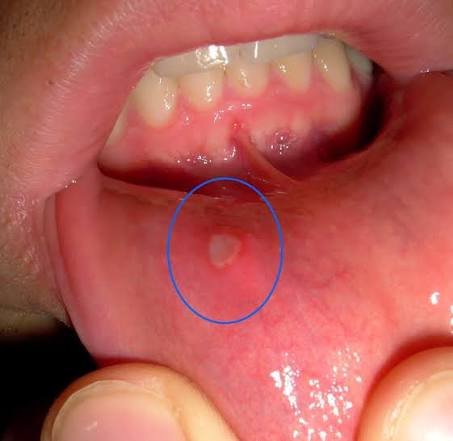
Mouth ulcers, also known as canker sores, are a common oral condition that can be uncomfortable and sometimes painful. These small, round or oval sores often develop on the inside of the cheeks, lips, or under the tongue. While they are typically harmless and resolve on their own within a week or two, there are instances where mouth ulcers can persist or become extremely painful, necessitating professional dental treatment. Here, we’ll explore the causes, symptoms, and the role of dentists in managing mouth ulcers.

Causes of Mouth Ulcers

Mouth ulcers can be triggered by various factors, including:

  • Trauma: Minor injuries to the mouth’s soft tissues, such as accidental bites, dental work, or aggressive tooth brushing, can lead to the development of ulcers.
  • Stress: High-stress levels are often linked to the emergence of mouth ulcers.
  • Dietary Factors: Certain foods, particularly acidic or spicy ones, can irritate the mouth’s lining and contribute to ulcer formation.
  • Health Conditions: Conditions like vitamin deficiencies, celiac disease, and inflammatory bowel diseases can be associated with recurrent mouth ulcers.
  • Hormonal Changes: Some individuals experience ulcers during hormonal changes, like menstruation.

Symptoms of Mouth Ulcers

Mouth ulcers typically present with the following symptoms:

  • Pain and Discomfort: Ulcers can cause pain, particularly when eating, drinking, or speaking.
  • Red or White Sores: The sores are usually round or oval, with a red or white center and a red border.
  • Swelling: Some ulcers may be accompanied by swelling in the affected area.
  • Irritation: The presence of an ulcer can make it uncomfortable to wear dentures or braces.

Dental Treatment for Mouth Ulcers

For most individuals, mouth ulcers can be managed at home with over-the-counter treatments or home remedies. However, if the ulcers are persistent, extremely painful, or recurrent, it is advisable to consult a dentist. Here are some dental treatments for mouth ulcers:

  • Prescription Medications: Dentists can prescribe topical or oral medications to manage pain, reduce inflammation, and promote healing. These medications may include corticosteroids or antimicrobial agents.
  • Laser Therapy: In some cases, dentists may use laser therapy to treat mouth ulcers. Laser treatment can speed up the healing process and provide relief from pain.
  • Silver Nitrate Application: Dentists can use silver nitrate to chemically cauterize the ulcer, promoting faster healing and reducing pain.
  • Identification of Underlying Causes: Dentists can also help identify any underlying health conditions, dietary triggers, or habits that might be contributing to recurrent mouth ulcers. Addressing these factors can reduce the frequency of ulcer outbreaks.
  • Oral Hygiene Guidance: Dentists can provide guidance on maintaining proper oral hygiene during an outbreak to prevent infection and complications.

Preventing Mouth Ulcers

Prevention is always preferable to treatment. Here are some steps to help prevent mouth ulcers:

  • Avoid foods that irritate your mouth, such as acidic or spicy foods.
  • Practice stress-reduction techniques.
  • Maintain a balanced diet to avoid nutritional deficiencies.
  • Be cautious when brushing your teeth to avoid injuring the soft tissues of your mouth.

Mouth ulcers, though often benign, can be a source of discomfort and frustration. If you’re experiencing recurrent or particularly painful ulcers, don’t hesitate to seek the expertise of a dentist. They can provide the right treatment and guidance to ensure your oral health remains optimal, free from the nuisance of persistent mouth ulcers.